Everything About Oil Field Equipment and Pipeline Equipment: Secret Insights and Important Information
Oil field equipment and pipeline systems play a pivotal duty in the oil and gas industry. They are essential for the efficient removal and transportation of hydrocarbons. Key parts, such as drilling rigs and storage space tanks, straight influence functional success. Meanwhile, developments in innovation promise to improve safety and security and efficiency. Recognizing these aspects is crucial for anybody associated with or interested in this intricate market, as it sets the stage for much deeper expedition of market practices.
Overview of Oil Field Equipment
As the need for oil remains to grow, understanding the tools used in oil areas becomes increasingly important. Oil field equipment includes a large variety of equipment and tools vital for exploration, removal, and handling. Key elements include drilling rigs, which are vital for reaching oil reservoirs, and manufacturing equipment, such as separators and pumps, that help with the extraction procedure. Superior Oilfield Rentals oilfield. Additionally, storage tanks play a significant function in holding petroleum prior to transport. Safety equipment, including blowout preventers and stress assesses, guarantees operational safety and security and effectiveness. Each tool functions cohesively to maximize manufacturing and maintain efficient workflow. Familiarity with this tools is very important for professionals in the market to guarantee effective procedures and adherence to security criteria
Kinds Of Drilling Rigs and Their Applications
Drilling rigs function as the foundation of oil extraction operations, with numerous kinds made for particular geological conditions and operational requirements. One of the most usual kinds include rotary boring rigs, which utilize a revolving drill little bit to penetrate the earth, and wire device rigs, known for their percussion drilling method. For overseas procedures, jack-up rigs and semi-submersible rigs offer stability and support in marine settings. Additionally, directional exploration rigs allow drivers to drill at angles, reaching deposits that are not up and down obtainable. Each rig type has distinct benefits, optimizing effectiveness and security based on the drilling setting. Choosing the suitable rig is necessary for taking full advantage of source extraction while reducing ecological influence and functional expenses.

Crucial Pipeline Equipment and Their Features
Pipeline infrastructure is necessary for the transport of oil and gas from removal sites to processing facilities and end-users. Numerous necessary tools elements facilitate this process. Pipelines themselves act as the key conduits, created to endure high stress and harsh compounds. Pump stations are important for maintaining circulation by enhancing stress along the pipeline. Shutoffs play an essential role in managing circulation and isolating sections for maintenance. In addition, installations and ports guarantee safe and secure joints in between pipeline areas. Keeping an eye on systems, consisting of circulation meters and pressure sensing units, are vital for discovering leakages and optimizing circulation prices. Finally, pigging tools is employed for maintenance and cleaning, protecting pipeline integrity and efficiency. With each other, these elements develop the foundation of a trustworthy pipeline system.
Advancements and Technologies in Oil and Gas Equipment
Safety and Maintenance Practices in the Oil Industry
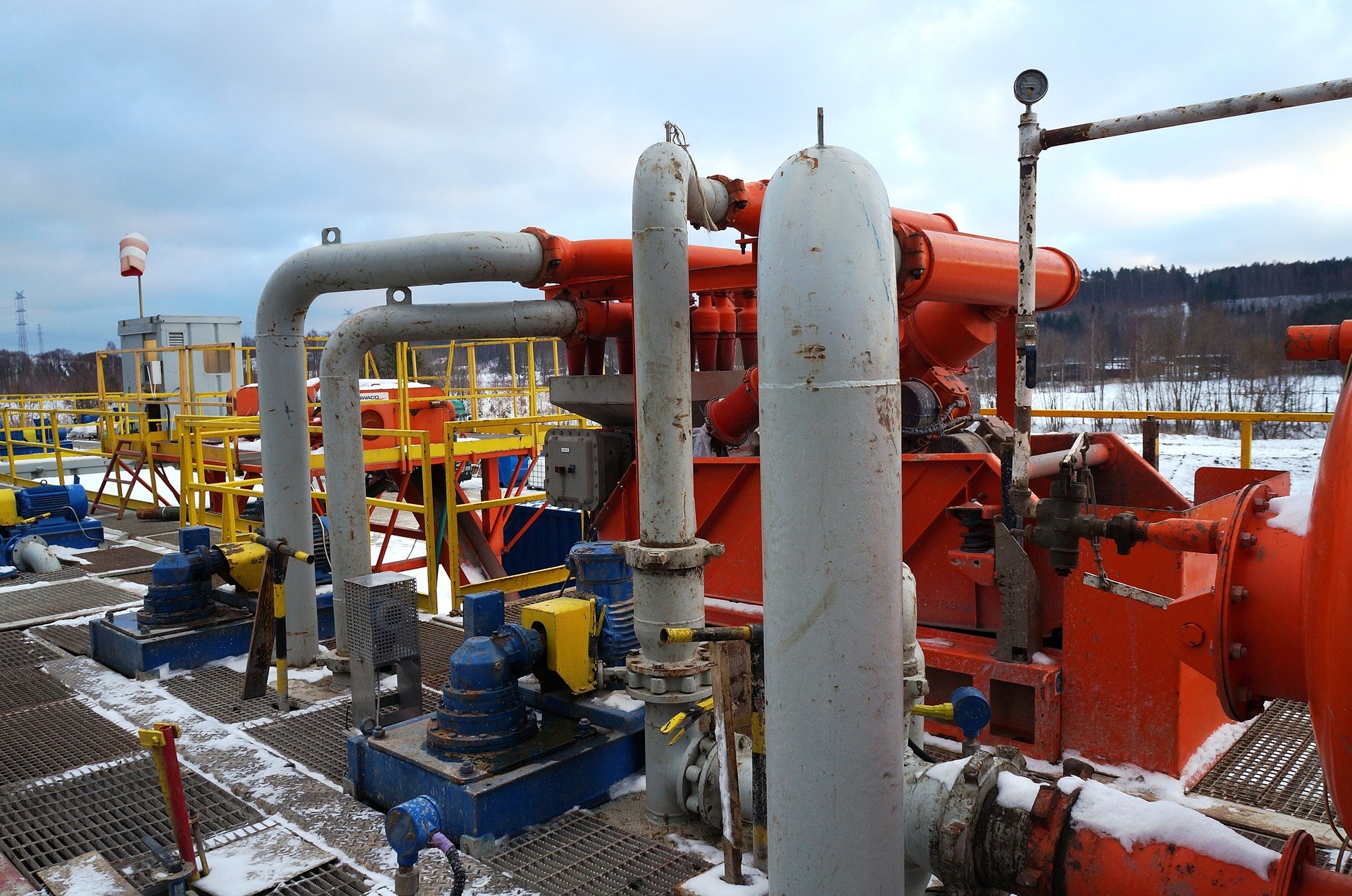
While the oil sector has made substantial strides in technology and efficiency, the significance of durable safety and upkeep practices can not be overstated. Reliable safety and security protocols are important to safeguard workers and the environment, decreasing the threat of mishaps and spills. Normal assessments and maintenance of devices help recognize potential issues before they intensify, guaranteeing functional integrity. Educating programs for staff members are crucial, stressing the value of safety and security recognition and emergency feedback treatments. In addition, adherence to market policies and criteria promotes a society of safety. Carrying out sophisticated tracking innovations can further boost maintenance methods, enabling real-time assessments of devices problems. Inevitably, prioritizing security and upkeep is essential to the sustainability and success of the oil market.
Regularly Asked Inquiries
What Are the Ecological Influences of Oil Field Equipment?
The ecological impacts of oil field equipment include environment devastation, water contamination, and air contamination (Superior Rentals Contact). Furthermore, equipment breakdown can lead to spills, adversely influencing wildlife and communities, highlighting the need for strict regulations and surveillance
Just How Is Oil Field Equipment Transferred to Remote Locations?
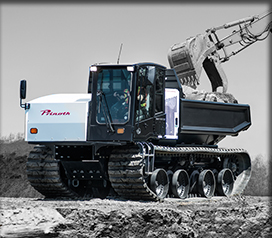
Moving oil field equipment to remote areas typically involves specific cars, helicopters, or barges. Logistics business coordinate routes, making sure devices shows up securely and efficiently, taking into consideration surface and ease of access to decrease delays and make the most of efficiency.
What Regulative Standards Govern Oil Field Equipment?
Regulative requirements regulating oil field equipment mostly include safety, ecological defense, and functional performance guidelines. Agencies such as OSHA and EPA enforce these policies to ensure secure practices and decrease ecological effect in oil removal operations.
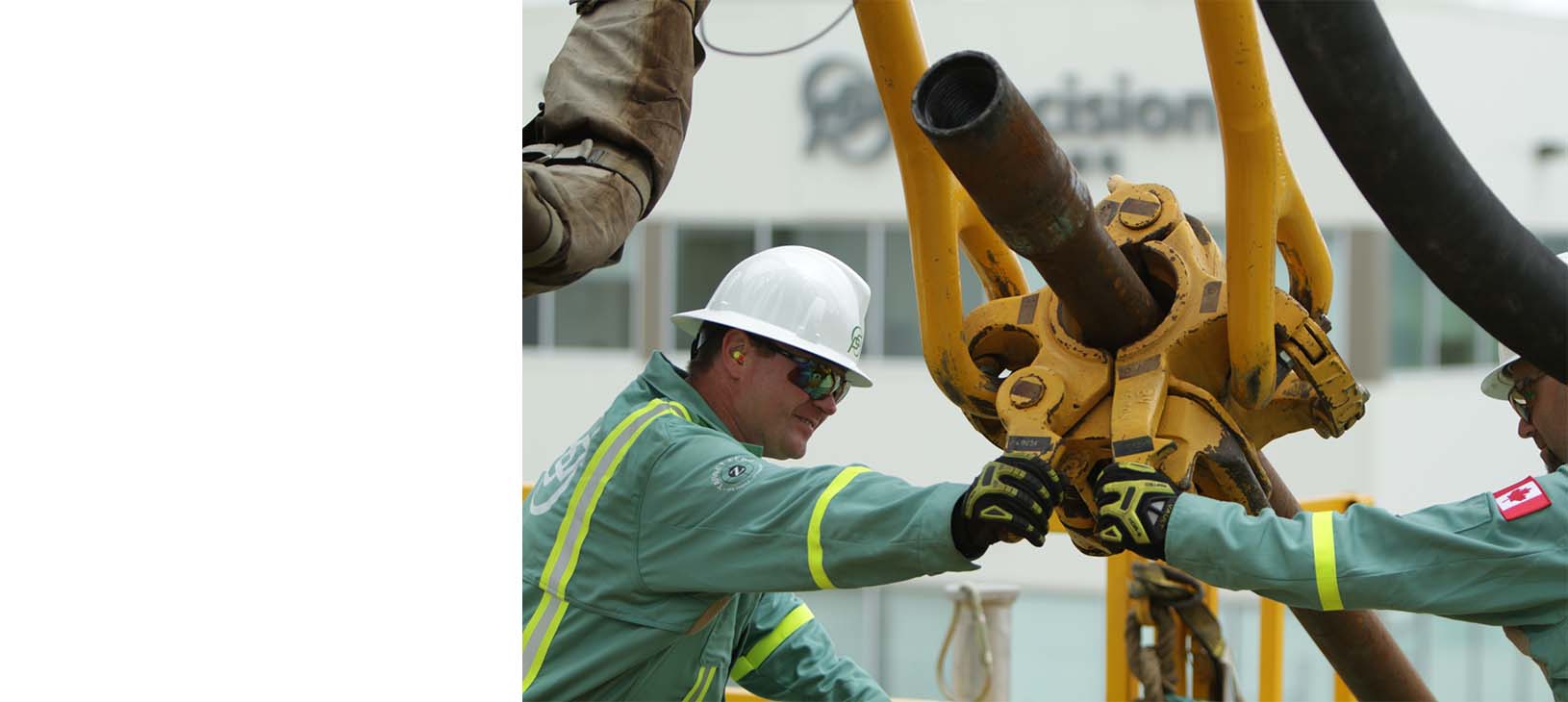
What Skills Are Required to Run Oil Area Machinery?
Just How Do Oil Prices Influence Equipment Demand and Usage?
Oil costs substantially influence equipment demand and use. Higher prices commonly lead to boosted expedition and production tasks, driving need for equipment. Conversely, reduced prices may result in reduced procedures and lowered need for equipment.
Comments on “Superior rentals squeeze tools: practical applications you should know”